Measurement & Testing Systems
MagHyst® for In Line Testing of Soft Magnetic Components and Assemblies
Between the soft magnetic raw material whose magnetic properties form the basis of the electromagnetic system designer's FEA model and the finished electromagnetic product, numerous manufacturing and assembly processes take place.
While the magnetic properties of the raw material are known and ideally have already been verified through B-H measurements, the components subsequently undergo a variety of manufacturing operations that can significantly alter their magnetic characteristics.
The most common influencing factors include:
- Turning
- Milling
- Drilling
- Stamping
- Bending
- Deep drawing
- Welding
- Brazing or soldering
- Joining and assembly operations
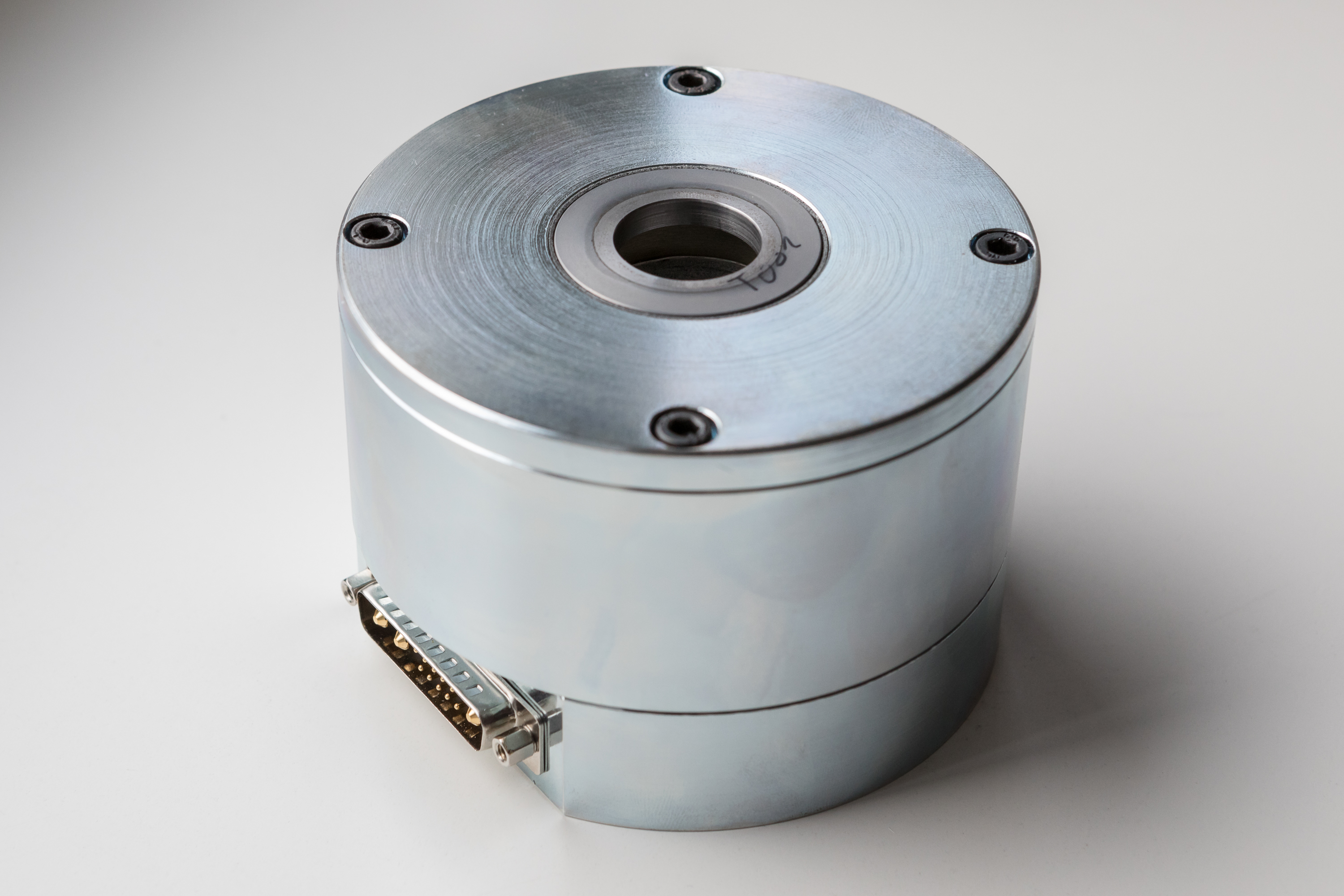
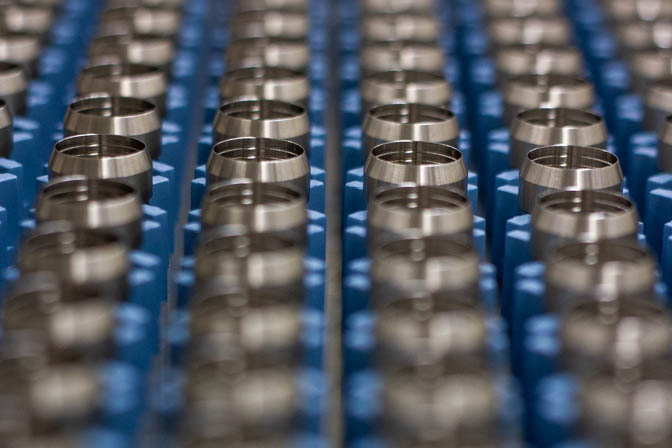
Virtually every mechanical or thermal manufacturing process introduces stresses and microstructural changes into the material, directly affecting its magnetic properties.
As a result, the material characteristics originally used during the electromagnetic design and FEA process often no longer correspond to the properties of the finished component.
Although soft magnetic annealing processes can often restore magnetic properties to a large extent, such treatments are time-consuming and costly and are therefore only used in selected applications.
In industrial practice, changes in magnetic properties frequently remain undetected, even though they can have a significant impact on the performance of the final electromagnetic system.
The consequences range from increased manufacturing variation to deviations in critical product characteristics such as:
- Magnetic force
- Force-stroke characteristics
- Magnetic hysteresis
- Switching currents
- Switching times
- Remanence behavior
- Dynamic response characteristics
Read more
The Missing Quality Control Step Between Incoming Inspection and End-of-Line Testing
In many manufacturing environments, two quality control stages are well established:
- Incoming inspection of raw materials
- End-of-line testing of the finished product
Between these two stages, however, numerous manufacturing and assembly processes take place, and their influence on magnetic properties is typically not monitored.
This is precisely the gap that MagHyst® technology closes.
In-Line Quality Control of Components and Assemblies
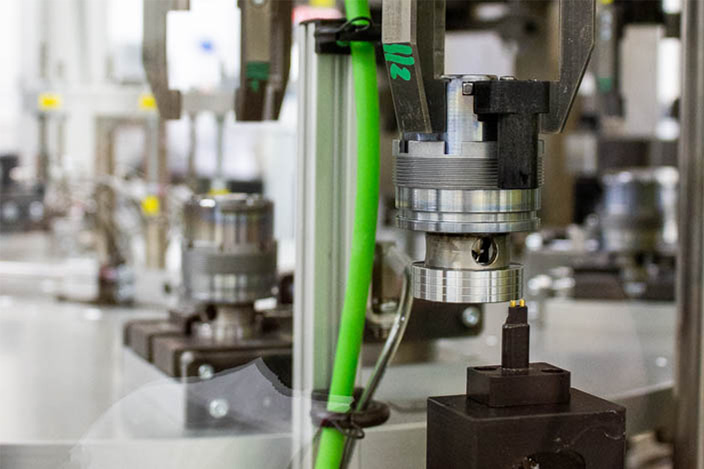
MagHyst® enables non-destructive in-line testing of individual soft magnetic components as well as pre-assembled assemblies directly within the production process.
As a result, magnetically relevant manufacturing defects can be detected immediately after they occur long before they lead to a defective end product.
Typical test objects include:
Individual Components
- Armatures
- Yokes
- Magnetic cores
- Coil housings
- Pole tubes
- Magnetic guide elements
Pre-Assembled Assemblies
- Pole tube assemblies with installed armatures
- Assemblies with guide bushings
- Assemblies with springs
- Assemblies with anti-remanence elements
- Partially assembled solenoid actuators
- Pre-assembled magnetic circuits
For the first time, this creates continuous quality monitoring throughout the entire manufacturing chain of electromagnetic products.
Detecting Faults Before Value Is Added
The greatest economic benefit of in-line testing lies in detecting faults immediately after they occur.
Instead of discovering during end-of-line testing that a finished product does not meet specifications, defective components or assemblies can be identified and removed from the production process at a much earlier stage.
This results in:
- Shorter quality control feedback loops
- Lower scrap costs
- Reduced rework costs
- Lower material losses
- Faster root cause analysis
- Improved process stability
Defective components are removed from production immediately after identification. At the same time, the underlying process-related causes can be located and corrected quickly.
As a result, the often-observed chain of defect propagation is interrupted at its source.
Example : In-Line Testing of Solenoid Valves
For solenoid valves, pole tube assemblies can be tested before final sealing, crimping, or closure operations are performed.
These assemblies may include:
- Armatures
- Springs
- Guide bushings
- Anti-remanence elements
- Other magnetically relevant components
At this early manufacturing stage, deviations can already be detected before the assembly is permanently sealed and corrective action is no longer possible.
This prevents additional manufacturing effort, assembly costs, and testing resources from being invested in a product that is already destined to fail final inspection.
Comparative Magnetic Characterization of Components and Assemblies
While classical B-H curves are the primary focus of magnetic material characterization, different magnetic parameters are used when evaluating finished components and assemblies.
Particular emphasis is placed on the geometry-dependent Ψ(i) characteristics of the test object.
These characteristics represent the magnetic signature of a specific component or assembly and contain information about:
- Material quality
- Geometric deviations
- Assembly condition
- Air gaps
- Moving components
- Magnetic variations
In industrial applications, evaluation is typically performed by comparison with a reference object whose quality has already been verified as conforming to specification.
Each manufactured component or assembly is compared against this reference state.
This comparative testing method offers exceptionally high sensitivity to deviations while remaining easy to integrate into existing production processes.
The Path Toward Zero-Defect Manufacturing
MagHyst® introduces an additional layer of quality assurance between incoming material inspection and end-of-line testing.
This enables continuous magnetic quality monitoring throughout the entire value chain.
Instead of identifying faults only in the finished product, their causes become visible during the manufacturing process itself.
This creates the foundation for:
- Zero-defect manufacturing strategies
- Stable production processes
- Reduced manufacturing costs
- Lower scrap rates
- Higher product quality
- Maximum process reliability
MagHyst® makes magnetic quality visible for the first time throughout the entire manufacturing process, from raw materials and individual components to fully assembled electromagnetic systems.